 |
|||||||
|
|
|||||||
|
The
History of The Country Gentlemen |
|||||||
|
|
|||||||
|
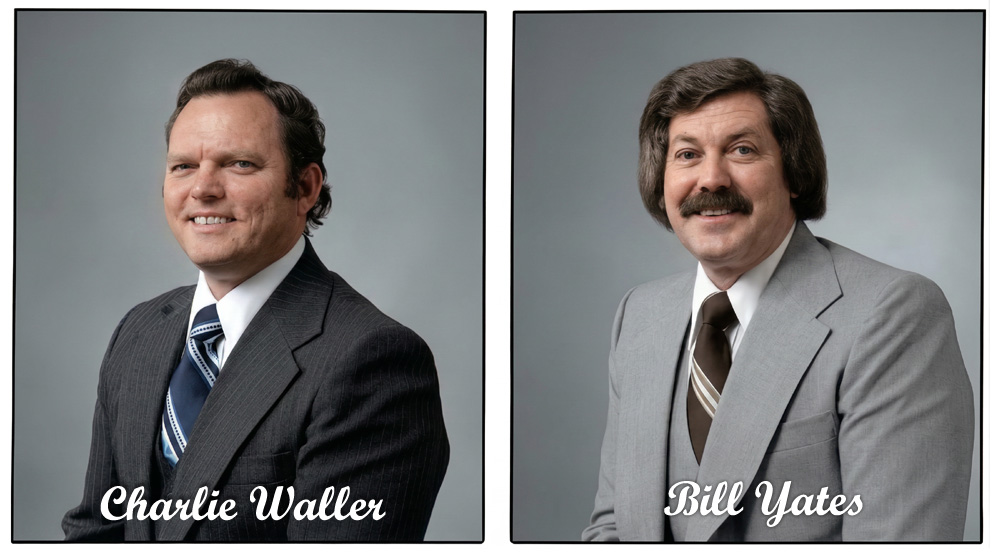
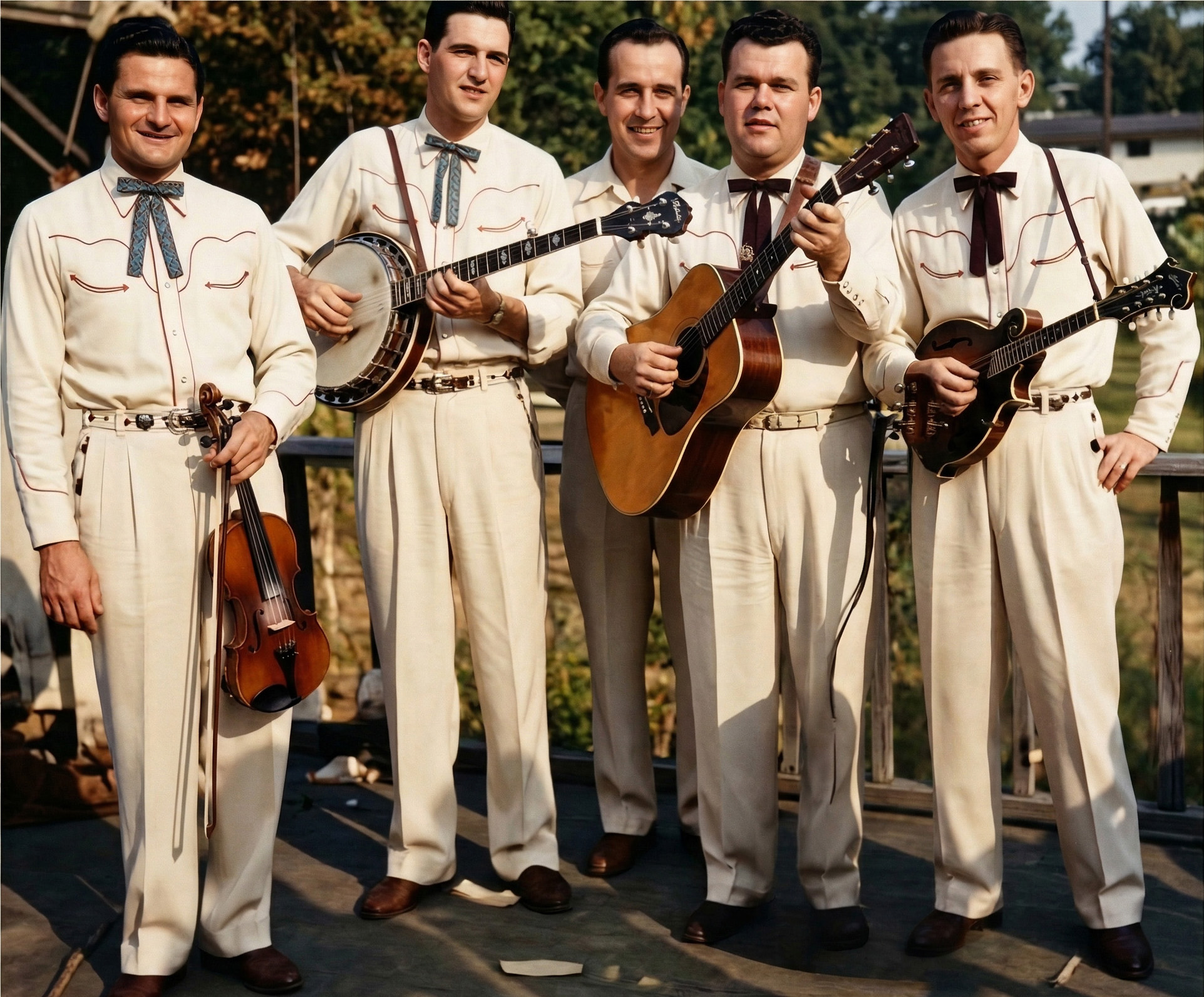
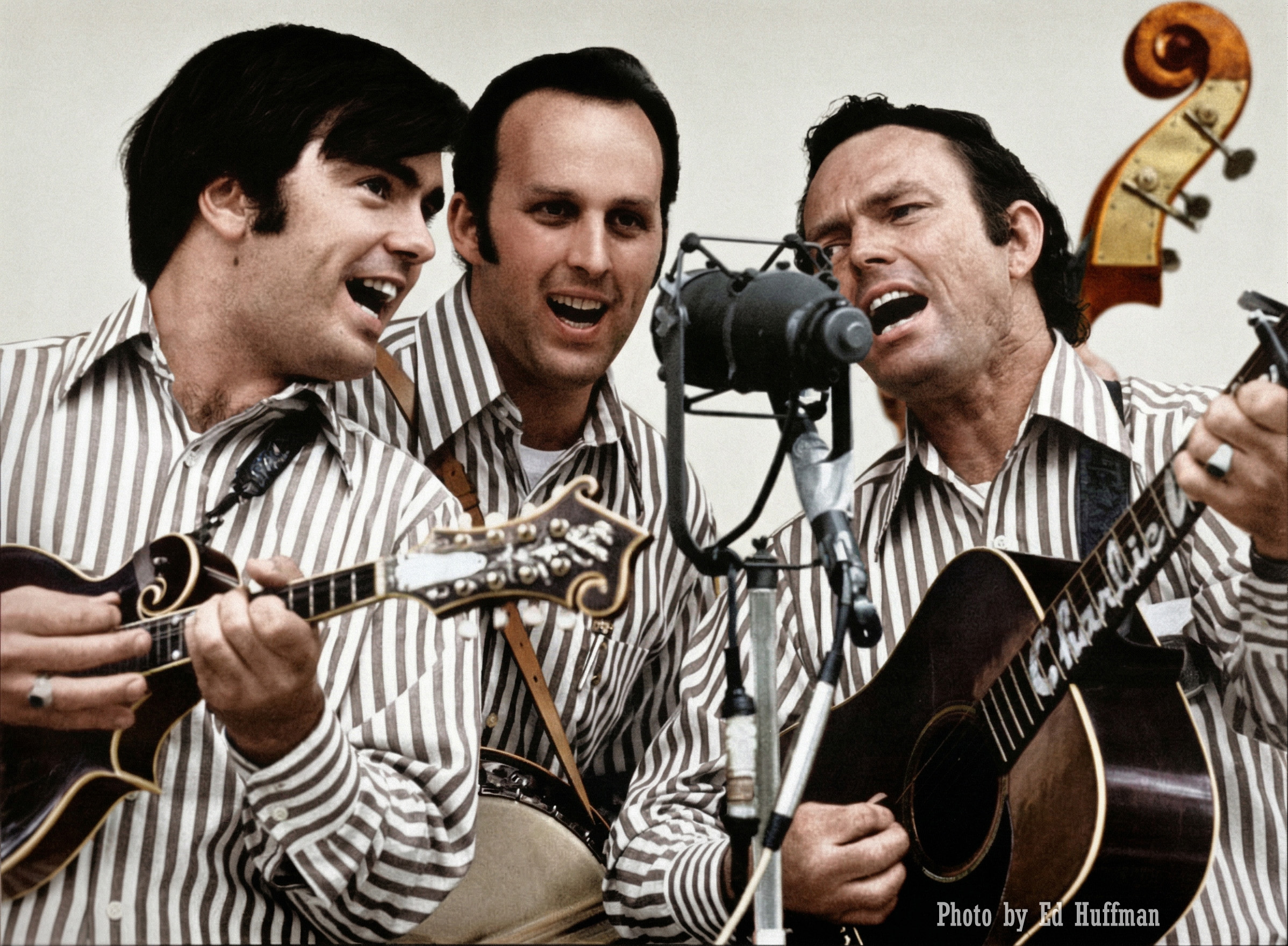
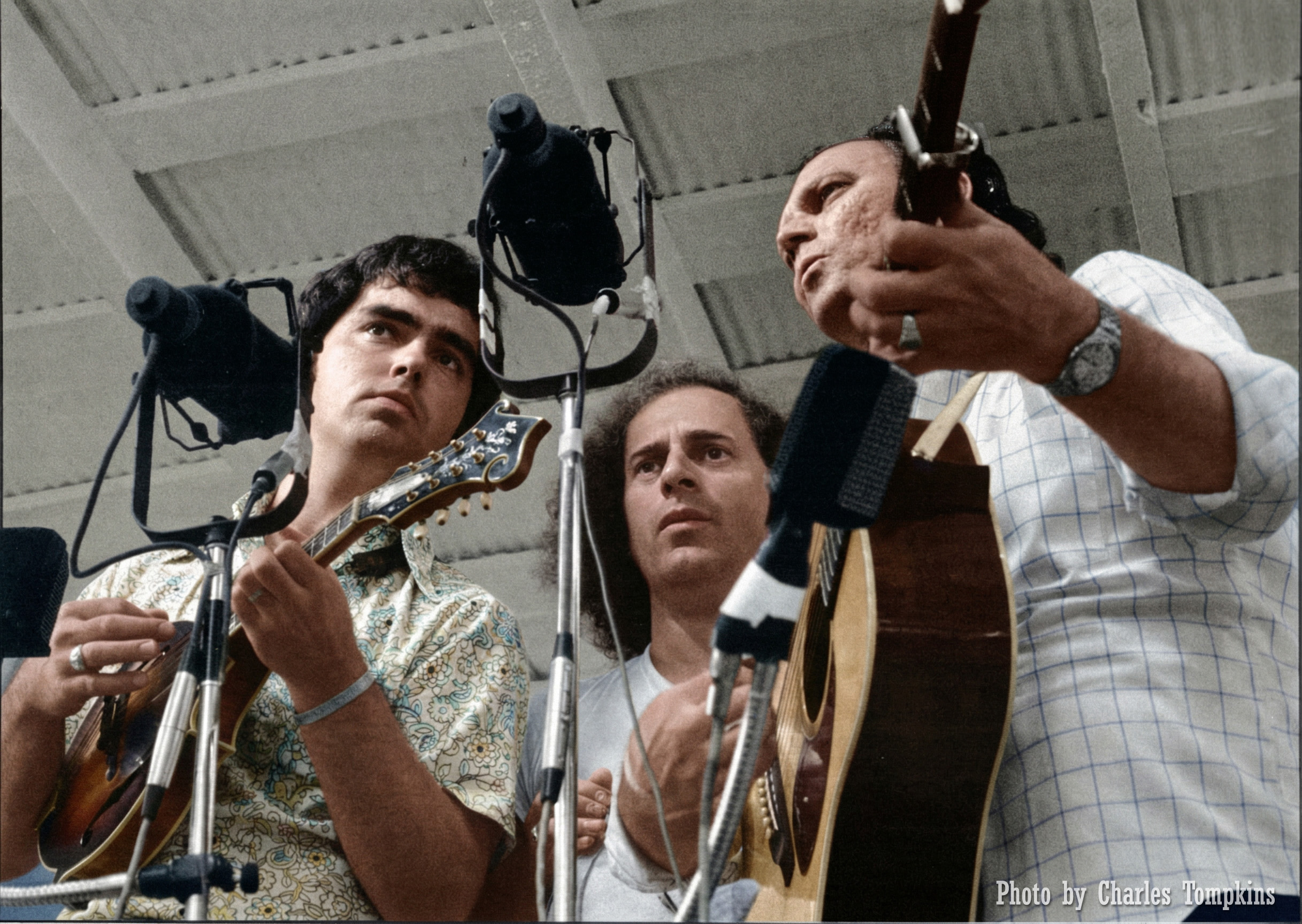
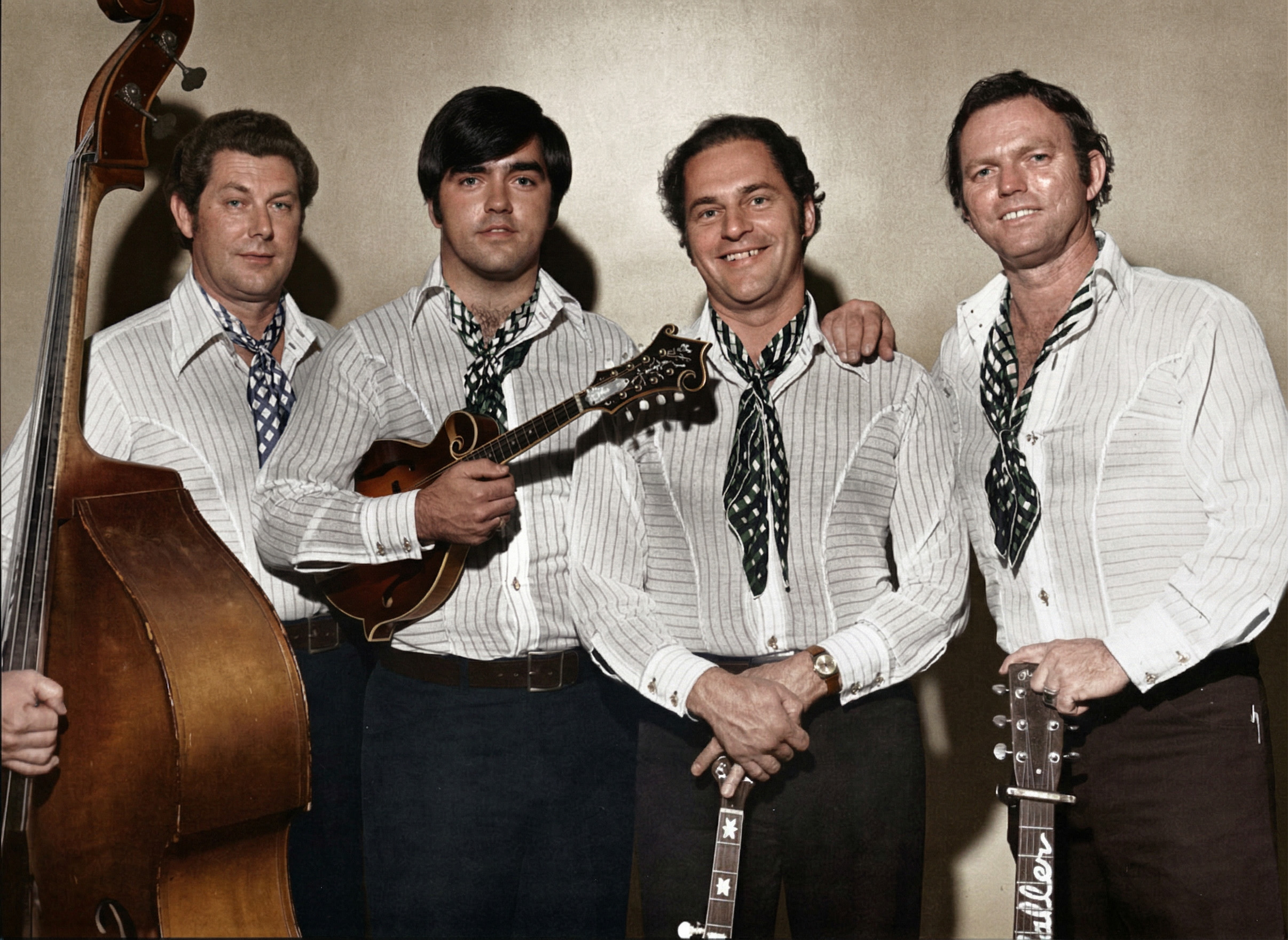
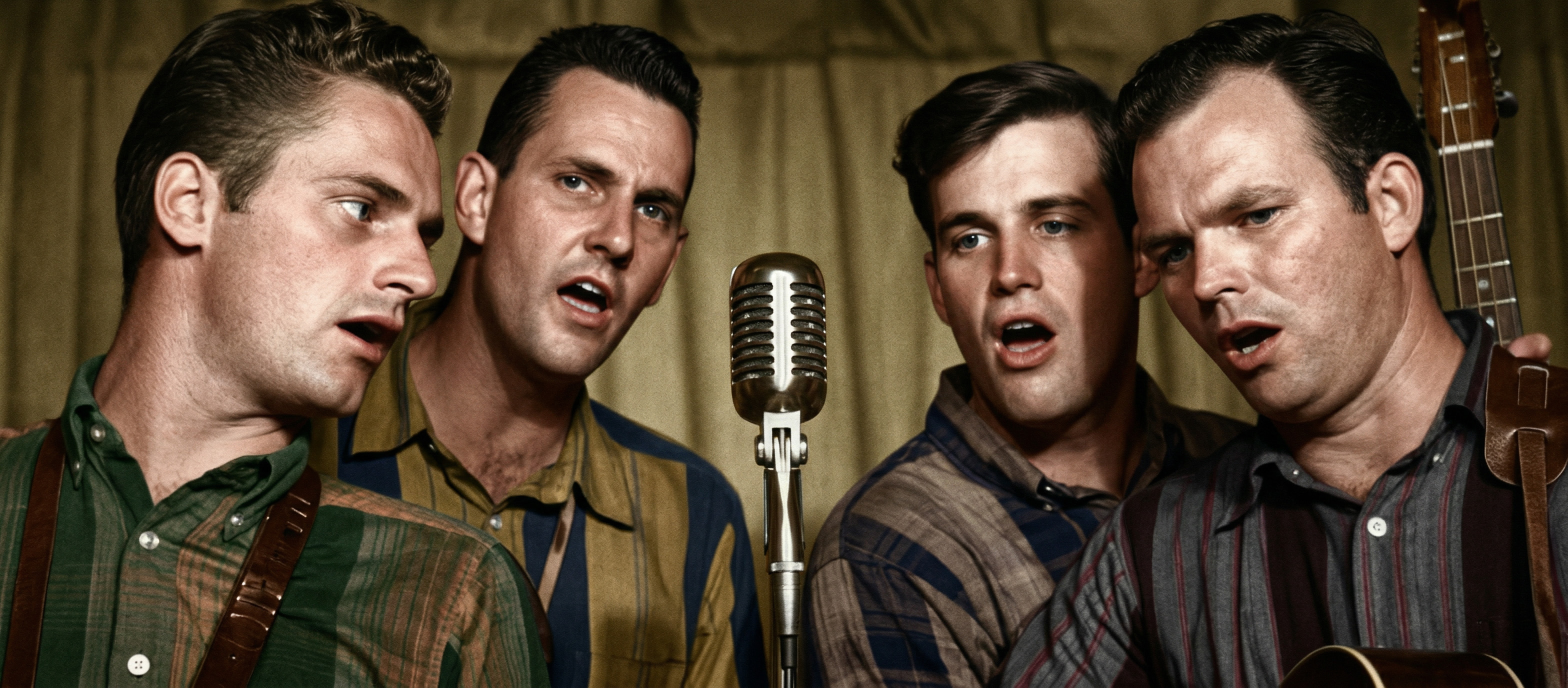
Since July 4, 1957 the name "The Country Gentlemen" has been associated with the finest sounds in Bluegrass music. The reputation has been built on solid foundations which have endured evolutionary changes and created a legend. Charlie Waller is a founding member who played the very first date and with few exceptions, every show since. Charlie's beautiful voice has sustained the constant vocal sound of the band, which, like wines improves with age. Charlie's partner, Bill Yates, with 13 years tenure is not only a fine singer and musician, he also literally makes the band go. Bill has been responsible for transportation since he joined with Charlie, and they've never missed a date. Some of the finest musicians in the U.S. have been members of the Gents through these past 25 years. It has been my great priviledge to have known and the talents of each and every one of them. This publication is an anniversary card to all "Gents" past and present with some heart felt thoughts and a few stories from friends and the warmest wishes for another 25 years of pleasure. ~ Len Holsclaw ~
|
|||||||
|
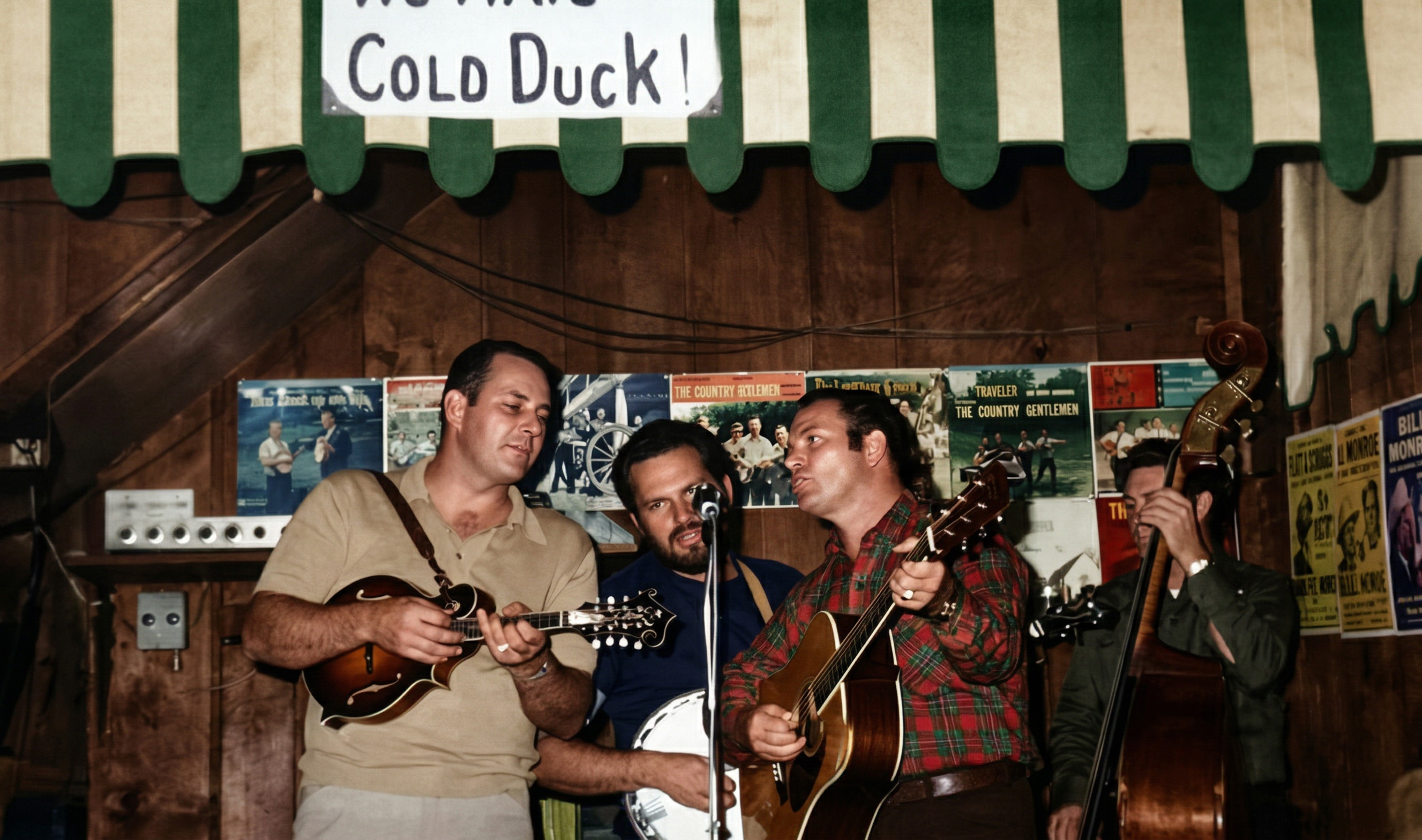
Duffey, Adcock, Waller, & Yates Circa 1969 at the Shamrock in Georgetown - Cold Duck sign has become a legend (1970)
|
|||||||
|
Twenty-five
years. A quarter of a century. It's a milestone that few musical groups
ever attain. The reason is that the bands are tenuous things: fragile,
temporary, unpredictable, transient. It's practically impossible to
hold a band together that is composed of creative, sensitive, free-spirited
artists. Because bands are what they are, they find themselves especially
prone to myriad maladies: personality conflicts, oposing whilosophies
and goals, damaged egos, limited self-expression. The old adage about,
the "tempermental musician" is true. But to create an artform,
one must discard the mind's protective devices and bare his heart
and soul. In doing so, however, the musician is left vulnerable to
any number of damaging intrusions. Back then they were rebels of a sort: they were brash, young daredevils who weren't afraid to experiment with the music and stretch it to its farthest limits. They were introducing progressive bluegrass for the first time, and they offered it with a take-it-or-leave-it attitude. The music's purists preferred to leave it, but in the band's hometown of Washington, D.C. it was enthusiastically accepted by young and old, rich and poor, rednecks and city slickers. With the help of records, radio and personal appearances, soon much of the country was exposed to this fresh bluegrass style originating in of all places, Washington, D.C.
|
|||||||
|
John Duffey, Eddie Adcock, Ed Ferris, Charlie Waller
|
|||||||
|
The birthplace of The Country Gentlemen is Washington because lead singer and founding member Charlie Waller was raised and started his musical career in this area. He was born in Texas and lived in Louisiana but moved to D.C. at age 10 in 1945 to rejoin his mother, who had relocated to find employment with the Potomac Electric Power Company. Charlie go his first guitar then, a $15 Stella. "It took me a long time getting started because I didn't know how to tune it," he recalls, "and I couldn't find anybody to tune it for me. But I finally got it right, and when my friends would stop by the house I'd pick up the guitar and they'd say, 'Oh no, we're never gonna get out of here, now!' But later it was just the opposite; they all wanted me to pick some. My first good guitar was a small Gibson. I paid $35 for it off a friend." Charlie quickly advanced from playing for his school buddies to singing before real audiences. At just 13 years-of-age, he lauched his nightclub career in a smoke-filed beer joing in Washington. He was part of a trio of other 13 year-olds. "It was not a nice place for young kids to be in, but they paid us," says Charlie, who then earned $3 a night plus tips playing twice a week. The group played country music, and Charlie's favorite singer and major influence was Hank Snow. The next few years found Charlie playing a combination of country and bluegrass in local bars. He decided to quit high school, and got a job as a body and fender repairman. But he soon learned that day jobs and bluegrass don't always mix. "It didn't last too long because of the pickin'," Charlie recalls of his car repair carreer. "I started playing more in bars and actually made more money. I couldn't make much as an apprentice, but I did both for a while, and it caused me to have a few hang-ups on the highway: I wercked my car two or three times because I was sleepy. Finally I decided I was going to do one or the other" Charlie banged out his last fender and left for Baltimore to play with mandolist Earl Taylor. About the same time he met another bluegrass musician from his home state of Louisiana, mandolin player Buzz Busby. Buzz needed a singer and guitar player, and Charlie agreed to divide his time between the two bands.
|
|||||||
|
Buzz Busby and The Bayou Boys Johnny Hall, Donnie Bryant, D.C. Radio Personality Don Owens, Buzz Busby, and Pete Pike
|
|||||||
|
The following
year (1955) Charlie decided to become a full-time member of Buzz's band,
The Bayou Boys. The Washington area at the time had several other
popular bands - The Stoneman Family, Bill Harrell, and
Bennie & Vallie Cain -- and there was just a handful of clubs
in which to play. Buzz decided to relocate in Louisiana, where the group
remained for two years. By the
time the band returned to Washington in 1957, Charlie had spent two
years working for Buzz and he grew impatient to try something else.
"He had given me notice," Buzz recalls. "He
said he'd never get anywhere working as a sideman, and I agreed with
that." In an ironic twist of fate, Charie was not with Buzz on a night in early 1957 when the carload of happy-go-lucky pickers were speeding home from a show at a North Beach, MD. club. That night Buzz had hired as a guitar player a young banjo player named Eddie Adcock. Eddie's friend Sonny Presley was driving. Buzz sat next to him, bass player Vance Truell and Eddie were in the back seat. Suddenly
the car swerved off the road. "We hit a pole going about 90
miles per hour," remembers Buzz, whose career - and life -
nearly came to a halt then. He was pronouced dead at the scene, but
signs of life flickered upon arrival at the hospital.
At
the time of the accident, the Bayou Boys had a regular job at
a club in Bailey's Cross Roads, Va., the Admiral Grill. Not wanting
to lose the job, Bill Emerson sought to put together a pick-up
band until Buzz returned. Charlie Waller agreed to play and bass
player Larry Lahey was hired. But who would play mandolin and
sing tenor?
And
sing they did. Charlie's powerful lead voice was a perfect match for
John's forceful tenor. They immediately realized they had stumbled upon
a rare combination that could not be ignored, and made the decision
to break away from Buzz completely and start a new band centered around
Charlie and John. So
on July 4th, 1957, The Country Gentlemen became a reality. Bluegrass
would never be the same again. The original version of the band consisted
of Charlie Waller (guitar), John Duffey (mandolin), Bill
Emerson (banjo), and Larry Lahey (bass).
|
|||||||
|
Jimmy Gaudreau, Bill Emmerson, Charlie Waller
|
|||||||
|
In the banjo department, Bill Emerson left the band in the fall of 1958. He was replaced by Pete Kuykendall (now publisher of Bluegrass Unlimited Magazine). Pete perfomed under the name of Pete Roberts. Not only was he proficient on the instrument (he won the national banjo championship in 1956). He also contributed excellent baritone singing, and later technical assistance in the band's recordings. Pete left the group in June of 1959 because it interfered with his day job in the recording laborator at the Library of Congress. Porter Church replaced him briefly. Porter's replacement would prove to be the missing link in what was to become one of the most significant vocal and instrumental trios in bluegrass history. Enter Eddie Adcock. Only 20 years old at the time, Eddie already had a wealth of experience playing professionally. He started with Smokey Graves and the Blue Star Boys in Crewe, Va. in 1953. Then he went with Mac Wiseman's band, and then with Bill Harrell and the Rocky Mountain Boys. During this time he met banjo great Don Reno, who gave Eddie some helpful hints that improved his style. When
Bill Harrell went into the service, Eddie found work at a TV
station in Norfolk, Va., as the emcee for a musical program. He later
worked for the Virginia Playboys, and also played guitar in a
rock 'n' roll band.
|
|||||||
|
Jimmy Gaudreau, Eddie Adcock, and Charlie Waller
|
|||||||
|
At first, Eddie wasn't interested in the offer. He had a regular day job and wanted to stay out of music for awhile, but Charlie, John, and Jim Cox persisted, and Eddie agreed to give it a try. His contributions to the band would later prove to be immeasurable. "It wasn't until we got Eddie that we got that certain kind of magic sound," says Charlie. "Duffey and Eddie just worked well together. That was the combination that sold." When Eddie joined, the band had recorded very little: a 45 rpm on their own label - Dixie - and a 45 on the Starday label. The first Country Gentlemen songs ever recorded are contained on the rare Dixie record: "Heavenward Bound" and "Goin' to the Races," later recorded by the Stanley Brothers as "Paint the Town." When Eddie came aboard, The Country Gentlemen hadn't found a sound of their own yet. Instead, they were copying a couple of the top acts of the day. In a 1976 interview in Muleskinner News, Eddie described the band's music at the time he joined:
The Country Gentlemen were performing and recording old folk songs just at the time of the folk music groundswell. They did such songs as "Copper Kettle," "Long Blacke Veil" and "Handsome Molly," which enhanced their acceptance by the younger, college-aged audiences who were listening to folk music on campuses and coffee houses all over the country then. Several songs are credited with setting the Gentlemen apart from the rest of the pack. The most talked about then was "Hills and Home," which featured an inventive banjo break that resembled a steel guitar lick.
Eddie says the band was receptive to his suggestions to move away from copying other band, and also in letting him experiment on the banjo. "I was interested in doing things a little bit different, and I was allowed the freedom to do what I wanted to."
|
|||||||
|
|
|||||||
|
John Duffey, too was experimenting. For him, the turning point came on the tune, "The World is Waiting for the Sunrise," says John: "It came from the realization that you cannot play like somebody else and expect to create anything that's your own." Since then, John has made it a point to avoid playing straight melody lines and instead improvise around the chord paterns. Vocally, the band was doing some amazing things, too. Eddie's smooth, letter perfect baritone was the icing on the cake in rounding out the trio sound. Eddie credits Pete Kuykendall as his major influence in learning the baritone part. Just when
it seemed as though the band had reached its musical zenith, another
bass player came along who took the Gentlemen another step toward bluegrass
perfection. Tom Gray replaced Jim Cox in 1960. Tom, who was influenced by George Shuffler of the Stanley Brothers, says the Gentlemen gave him plenty of room to experiment.
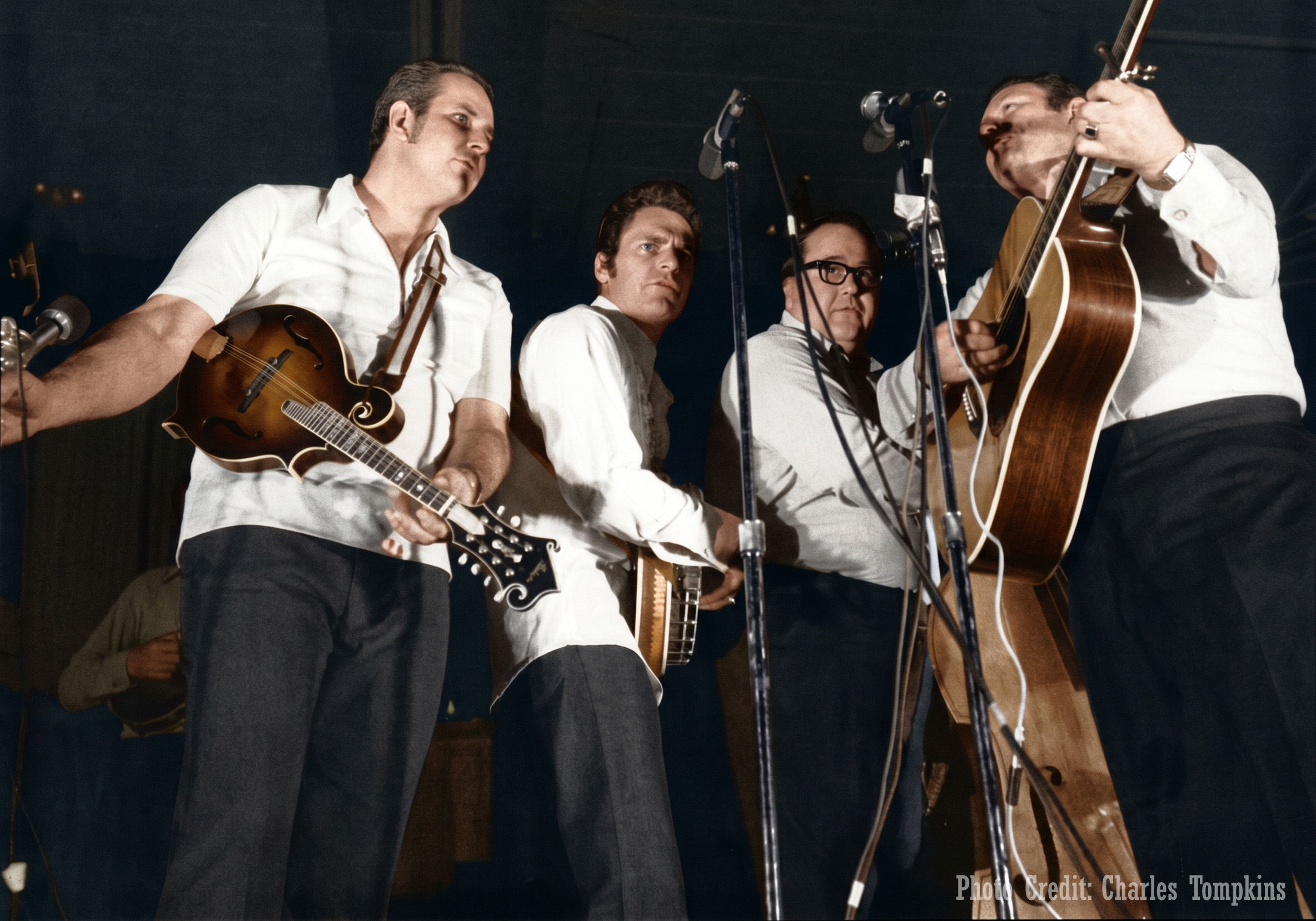
After four years as a full-time musician, Tom made the decision to return to his former day job as a cartographer with National Geographic. His departure ended an era of the famed Waller-Duffey-Adcock-Gray quartet, widely heralded as one of the most significant bands in bluegrass. That version of th eband is also considered to be the orginial Country Gentlemen because their sound and style had fully developed, and they were blazing new trails in bluegrass during that period.
|
|||||||
|
|
|||||||
 |








www.charliewaller.net
© 2002 - 2026
Website Design by Crawdaddydave - All
Rights Reserved
